
Roof Inspection Report for Insurance Claims: Step-by-Step Guide
When filing an insurance claim for roof damage, having a detailed and accurate roof inspection report is crucial. Whether you’ve experienced damage from a storm, fallen trees, or general wear and tear, a well-documented roof inspection report can make all the difference in getting your claim approved. This step-by-step guide will help you understand the importance of a professional roof inspection, how to conduct one, and how it can benefit your insurance claim process.
What is a Roof Inspection Report?
A roof inspection report is a detailed document created by a certified roof inspector or roof inspection company that outlines the condition of your roof. It includes information about the roof’s age, the materials used, any visible damage, and an assessment of its overall structural integrity. This report plays a crucial role when submitting an insurance claim, as it provides evidence of the roof’s condition before and after damage occurs.
In many cases, insurance companies require a professional roof inspection report before processing claims related to roof damage. This ensures the company has accurate and unbiased information about the extent of the damage, which helps determine the payout for repairs or replacement.
Why You Need a Roof Inspection Report for Insurance Claims
Insurance companies rely on roof inspection reports to assess the legitimacy of your claim. Without a comprehensive report, there could be delays or even denials of your claim. The roof inspection services provided by a licensed and professional inspector ensure that the roof’s condition is evaluated correctly. Here are a few reasons why a roof inspection report is necessary:
- Accurate Assessment of Damage: A detailed inspection report outlines all visible damages, including cracked shingles, leaks, and structural issues, allowing the insurance company to assess the repair or replacement costs.
- Documentation for Claims: Many insurance policies require a roof inspection to verify the condition of the roof before and after damage occurs. This documentation helps protect both homeowners and insurance providers from fraud and ensures claims are processed smoothly.
- Evidence of Pre-Existing Damage: Sometimes, insurance claims can be denied if there’s evidence that the roof was already in poor condition before the incident. A roof inspection report can help demonstrate whether the damage was a result of the recent event or if it existed beforehand.
- Peace of Mind: Knowing that your roof has been professionally inspected and documented helps eliminate uncertainty. You can be confident that your roof is assessed correctly, giving you peace of mind that your claim will be handled fairly.
Step-by-Step Guide to Getting a Roof Inspection for Insurance Claims
1. Choose a Professional Roof Inspection Company
The first step is to hire a reputable roof inspection company. Look for companies that specialize in residential roof inspections and have experience with insurance claims. They should have certified inspectors who understand insurance requirements and can produce a comprehensive and accurate report.
If you’re looking for a reliable option in Gainesville, FL, consider a roof inspection service in Gainesville, FL. A local company will be familiar with the types of damage common in the area and can provide you with the most relevant information for your claim.
2. Schedule an Inspection
Once you’ve selected a roof inspection company, schedule an appointment. Roof inspections are typically performed during daylight hours to ensure the inspector can thoroughly examine your roof. Depending on the size and complexity of your roof, inspections typically take between 1 and 3 hours.
Before the inspection, the inspector will ask you a few questions about your roof’s history, any previous damage, and if you’ve noticed leaks or other issues recently. This helps the inspector understand what to look for.
3. The Inspection Process
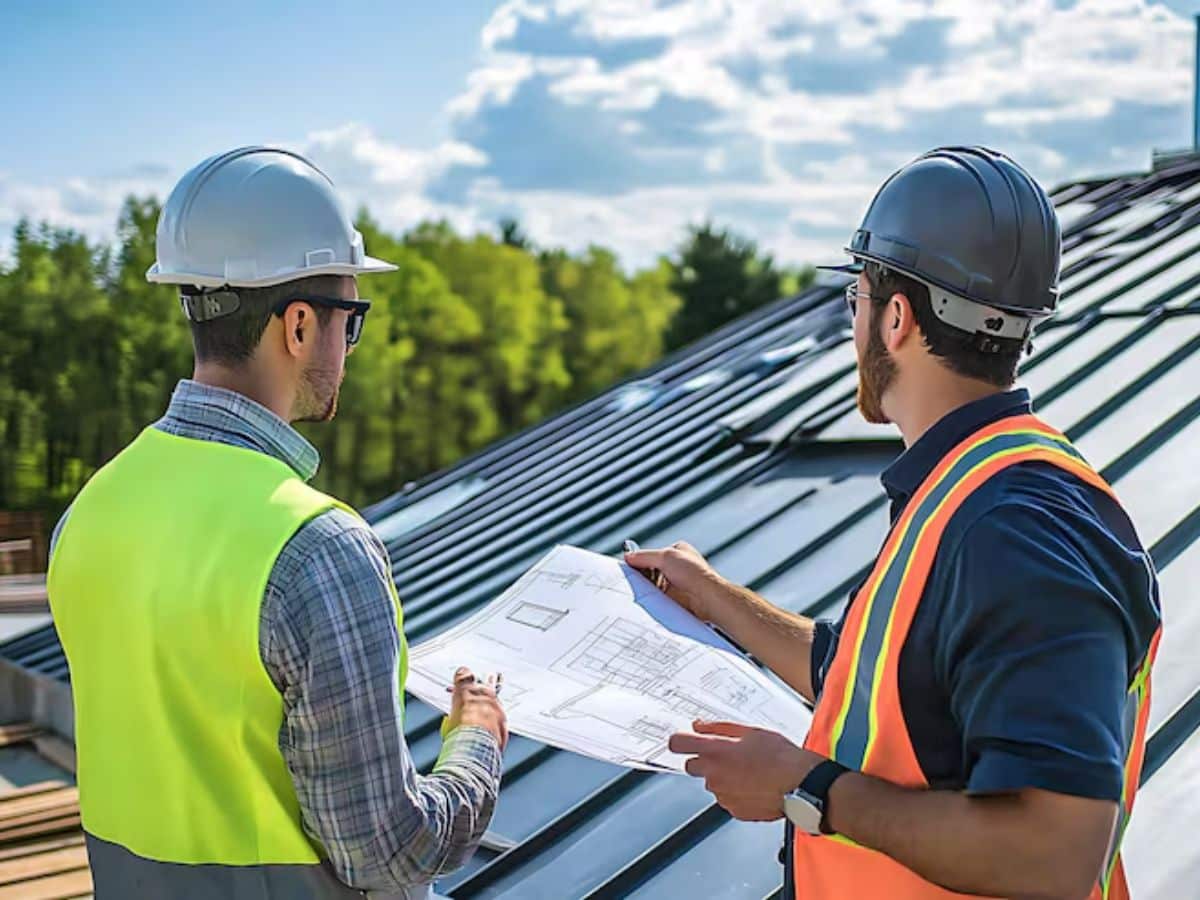
A professional roof inspection entails a comprehensive visual and physical examination of the roof’s structure, shingles, underlayment, flashing, gutters, and other components. Here’s a breakdown of what an inspector will typically evaluate:
- Roof Surface: The inspector will check for damaged or missing shingles, cracks, granule loss, and signs of wear.
- Roof Flashing: Flashing around chimneys, vents, and skylights will be inspected for signs of leaks or deterioration.
- Attic Insulation and Ventilation: Proper attic ventilation is essential for maintaining roof health, and the inspector will ensure there are no signs of moisture, mold, or insufficient airflow.
- Gutters and Downspouts: Gutters are checked to make sure they are free of debris and functioning properly. Clogged gutters can cause water damage to the roof and home.
- Structural Integrity: The inspector will look for signs of sagging, warping, or damage to the roof deck or rafters.
- Signs of Water Damage: Any visible water stains or leaks in the attic will be documented as potential problem areas.
After the inspection is complete, the inspector will compile their findings into a comprehensive roof inspection report.
4. Review the Roof Inspection Report
The report should include a detailed summary of the inspection, highlighting the following:
- A list of any issues or damage found, including severity.
- High-resolution photographs of the roof and any problem areas.
- Recommendations for repairs or replacements.
- The inspector’s professional opinion about the overall condition of the roof.
- A timestamp or date of the inspection, which is essential for proving that the report is recent.
Make sure to carefully review the report, especially if there are any major issues or if the roof is deemed to be in need of immediate repairs. You may want to seek a second opinion or get multiple quotes before proceeding with repairs.
5. Submit the Report to Your Insurance Company
Once you have the roof inspection report in hand, submit it to your insurance provider as part of your claim. Include any other relevant documents, such as photos of the damage, a copy of your insurance policy, and a description of the event that caused the damage (e.g., a storm or fallen tree).
Insurance adjusters may use the inspection report as a basis for determining the extent of your claim, so make sure the report is thorough and accurate. If there’s a dispute over the severity of the damage, you may need to involve a roofing contractor or have a re-inspection done.
6. Repair or Replace Your Roof
Once your insurance claim is approved, the next step is to repair or replace your roof. In many cases, your insurer will send payment directly to you or the roofing company, depending on your policy.
Remember, getting a roof inspection service Gainesville FL may also reveal additional issues you weren’t aware of, potentially saving you money in the long run by addressing them before they turn into larger, more expensive problems.
Benefits of Regular Roof Inspections
Having regular roof inspections is one of the best ways to maintain the longevity and integrity of your roof. Regular inspections allow you to catch minor issues before they become major problems, ultimately saving you time and money. Here are a few key benefits of having regular roof inspections:
- Prevent Costly Repairs: Early detection of damage or wear can prevent expensive repairs down the line.
- Extend Roof Lifespan: Regular maintenance and timely repairs can extend the life of your roof, protecting your investment.
- Peace of Mind: Knowing that your roof is in good condition and free of hidden damage can give you peace of mind, especially during severe weather seasons.
- Increase Property Value: A well-maintained roof enhances the curb appeal and value of your home, which can be beneficial if you ever decide to sell.
For more information on the benefits of regular roof inspections, check out the detailed guide from our expert team.
Conclusion
A comprehensive roof inspection report is a key document when filing an insurance claim for roof damage. By following this step-by-step guide and hiring a professional roof inspection company, you’ll ensure your claim is handled smoothly and that your roof gets the attention it needs. Don’t forget the importance of regular roof inspections as a preventive measure to keep your home protected and your roof in top condition.
If you’re in need of a professional roof inspection service Gainesville FL, our team is ready to assist. For more details, visit our Roof Inspection Company page.
Recent Comments