
Storm Damage Roof Inspection Checklist Every Homeowner Should Know
Severe weather in Florida—whether it’s strong winds, heavy rain, hail, or hurricanes—can cause serious roof damage. As a homeowner, understanding how to perform a storm damage roof inspection is crucial to keeping your property safe and avoiding costly repairs. While your roof might look fine from the ground, hidden issues can worsen over time, leading to leaks, mold growth, and structural damage.
Whether you’re looking for a roof inspection near me or want to learn how to spot signs of damage yourself, this guide will walk you through a complete Roof Inspection Checklist designed specifically for post-storm safety.
Why Roof Inspections Matter After a Storm
A roof is a home’s first line of defense. After a storm, small problems like loose shingles or tiny leaks can escalate quickly. When you invest in routine inspections, you protect your home, improve its value, and increase safety for your family.
Safety First: Before You Inspect Your Roof
Before starting your storm damage roof inspection, remember safety comes first:
Wait until the storm has completely passed
Avoid climbing on a wet or damaged roof
Use binoculars for ground-level checks
Call a professional roof inspection provider if you’re unsure or see major damage
Sometimes, roof issues are not apparent without proper equipment. That’s when hiring a trusted roof inspection service in Gainesville, FL becomes essential.
Storm Damage Roof Inspection Checklist
To help homeowners identify potential issues quickly, here’s a detailed Roof Inspection Checklist:
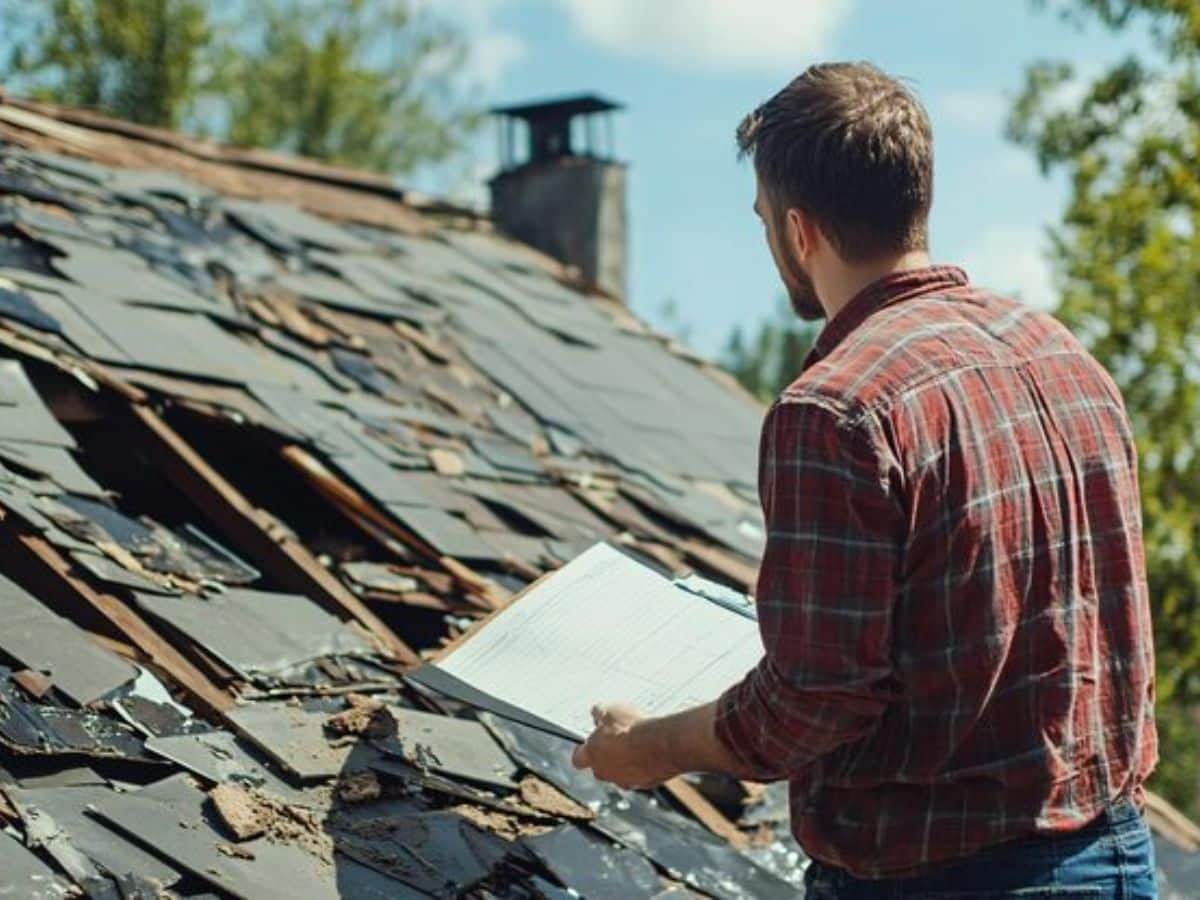
1. Inspect Shingles and Roofing Material
Look for:
- Missing shingles
- Cracked or curled shingles
- Granule loss
- Hail dents or bruising
Hail and wind can loosen or break shingles, making your roof vulnerable to leaks.
2. Check Gutters and Downspouts
Storms often fill gutters with debris.
- Remove leaves & branches
- Inspect for sagging or cracks
- Look for shingle granules—this is a sign of roof wear
Proper drainage protects your roof and prevents water pooling.
3. Examine Flashing and Roof Edges
Roof edges and flashing around chimneys, skylights, and vents are common weak points.
Check for:
- Loose metal flashing
- Bent or rusted edges
- Gaps or missing sealant
Damaged flashing allows water to seep beneath roofing layers.
4. Look for Water Leaks or Stains Indoors
Even if the roof looks good outside, interior damage may tell another story.
Inspect ceilings and attic for:
- Water stains
- Mold or mildew smell
- Damp insulation
- Sunlight shining through attic boards
This step ensures you catch hidden water damage early.
5. Inspect Soffit, Fascia & Ventilation
Storm winds can loosen soffits and fascia boards, compromising ventilation and roof structure.
Check for:
- Loose boards
- Cracks or holes
- Pest entry points
Proper ventilation prevents moisture buildup and mold.
6. Examine Chimneys and Skylights
These structures take direct impact during storms.
Look for:
- Cracked bricks or roofing tiles
- Loose chimney caps
- Damaged skylight seals
Unsealed areas can lead to major leaks during future storms.
7. Check Roof Valleys
Roof valleys channel rainwater off your roof. They must remain intact.
Look for:
- Shingle displacement
- Debris buildup
- Water pooling or stains
A damaged valley is one of the most common causes of roof leaks.
When to Call a Professional Roof Inspection Company
Although DIY checks are helpful, some damage requires expert tools and training. A qualified roof inspection company uses drones, moisture meters, and industry-approved techniques to detect hidden damage.
Consider a professional roof inspection if:
- Your home experienced severe wind or hail
- You notice leaks or ceiling stains
- Shingles are visibly damaged or missing
- Insurance claim support is needed
- You’re unsure of the roof’s condition
Professional inspectors provide detailed reports and photographs, which help when filing insurance claims.
Roof Inspection in Gainesville, FL — Why Local Expertise Matters
Florida weather is unique—and so are its roofing challenges. Homeowners searching for roof inspection Gainesville FL or roof inspection service Gainesville FL benefit from working with a local company experienced in Florida storm conditions.
Local experts understand:
- Florida hurricane patterns
- Roofing regulations and codes
- Common storm-related damage types
- Insurance claim requirements
When storms hit, a local roof inspection near me provider responds quickly and understands regional roofing materials better than out-of-area companies.
Special Considerations for Commercial Properties
Commercial buildings have larger, more complex roofing systems. Businesses should schedule a commercial roof inspection after every major storm to avoid:
- Interior inventory damage
- Ceiling leaks
- Structural issues
- Disruption to business operations
Commercial roofing materials often require specialized evaluation, making professional services essential.
Benefits of Proactive Roof Inspections
Waiting until damage becomes visible can lead to expensive repairs. Routine inspections offer key advantages:
- Extend roof lifespan
- Prevent leaks and mold growth
- Improve home safety and energy efficiency
- Maintain warranty coverage
- Increase property value
Final Thoughts
A post-storm storm damage roof inspection isn’t just a precaution—it’s a necessity. Following this Roof Inspection Checklist helps you identify early signs of damage and protect your home from expensive repairs.
While homeowners can spot obvious problems, partnering with a reliable roof inspection company ensures thorough safety and peace of mind. Whether you need residential or commercial roof inspection services, always hire certified professionals to protect your investment.
If you’re in Florida, especially searching for roof inspection near me or roof inspection Gainesville FL, don’t wait for the next storm! Schedule your inspection today and safeguard your home from hidden roof dangers.
A wind mitigation inspection can lower your homeowners premium, see how it works.
Book a standalone roof inspection before you buy, sell or file a claim.
Recent Comments